Did you know that nearly 70% of home baristas suffer from bitter, muddy coffee, blaming their beans when the true culprit is a flawed technique? You’ve experienced the disappointment of a weak or sour brew, convinced the french press is too unpredictable for excellence. That inconsistency ends today.
We’re moving beyond basic instructions to reveal the professional calibration secrets—from mastering water chemistry and precise PID temperature control to troubleshooting pressure instability and diagnosing sensor health—that transform your press from a simple pot into an extraction powerhouse.
This is the definitive method used by championship brewers, a complete system that solves under-extraction and temperature drift for good. Discover the actionable, insider protocols for perfect calibration and maintenance that guarantee a pristine, full-bodied cup every single time. Stop guessing and start measuring what truly matters.
Solving Weak, Under-Extracted, and Sour Tasting Brews
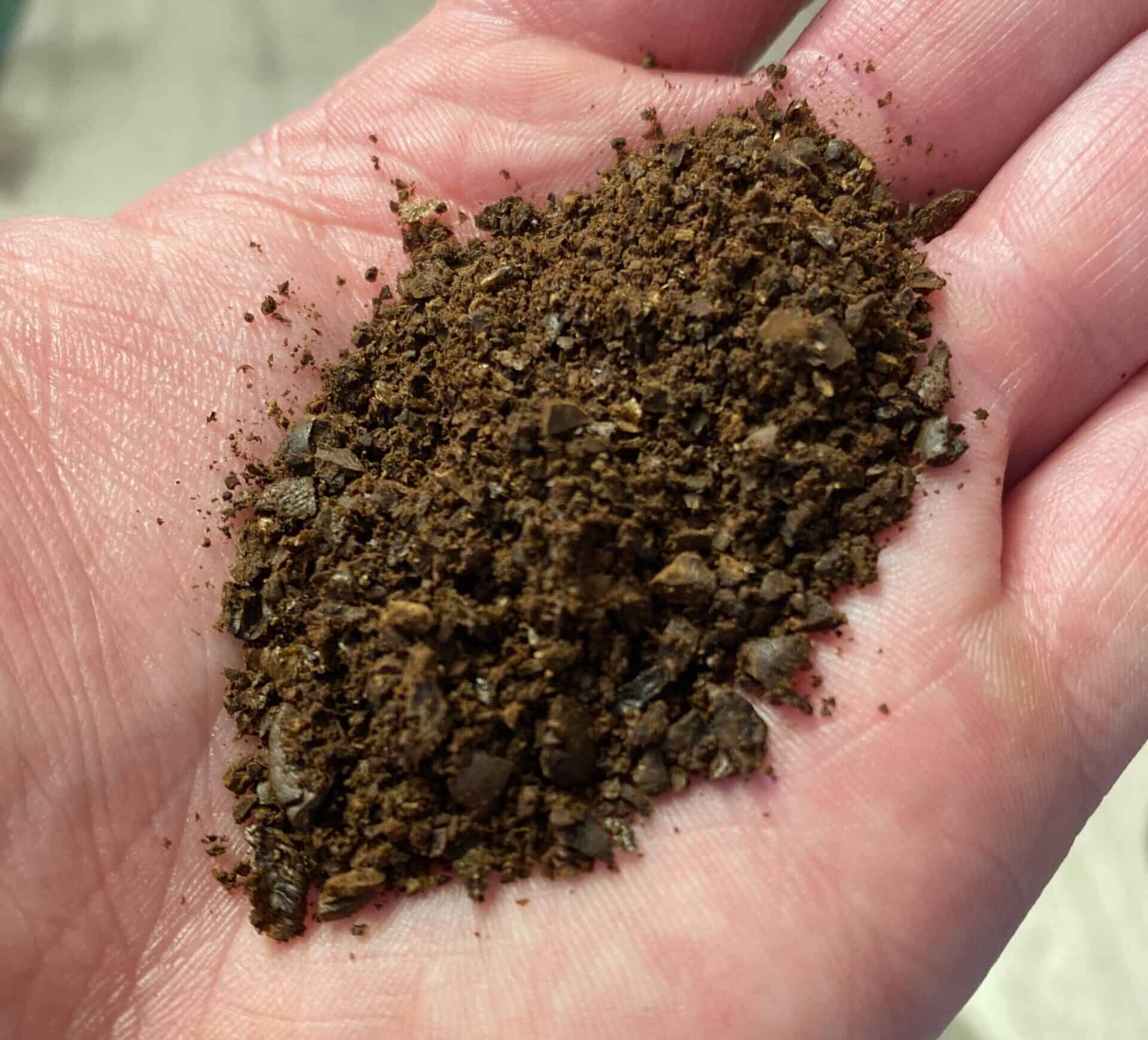
A sour, weak French press brew is the unmistakable signature of under-extraction, where insufficient soluble material has been pulled from the coffee grounds. This flaw is not a matter of taste but of chemistry, specifically a deficit of sugars and caramelized compounds that balance acidic notes. The primary culprits are almost always grind size, water temperature, and time. To master your ultimate guide to french press, begin by ensuring your grinder produces a consistent, coarse grind—similar to rough sea salt. A fine grind will over-extract and turn bitter, but an inconsistent grinder creates a mix of boulders and fines; the boulders under-extract (sour) while the fines over-extract (bitter), creating a muddled, simultaneously sour and harsh cup. Invest in a quality burr grinder for uniformity.
Next, verify your water is at 92°-96°C (198°-205°F). Water below this range lacks the kinetic energy to properly dissolve solubles. Pre-heating your press with hot water is non-negotiable to prevent immediate heat loss upon brewing. Your brew time must be a minimum of four minutes, but don’t neglect the bloom. After saturating all grounds with twice their weight in water, allow them to degas for 30-45 seconds before stirring the crust and adding the remaining water. This ensures even saturation and prevents dry clumps from under-extracting. For a stronger, more balanced cup without sourness, try a slightly finer grind and a longer steep of 5:30, using a 1:15 coffee-to-water ratio (e.g., 35g coffee to 525g water). Agitating the brew at the 3-minute mark can also boost extraction. If sourness persists, your water chemistry, as explored in another section, may be too soft to facilitate proper extraction.
Calibration and Measurement Accuracy
Precision in measurement is the non-negotiable foundation separating a good French press from an exceptional one. The method’s full immersion nature is forgiving, but true consistency demands calibration. Your most critical tool is a 0.1-gram resolution scale; volumetric measurements are a primary source of under-extraction, as a “tablespoon” of light roast versus dark roast varies wildly in mass. Adhere to the Golden Ratio of 1:15 to 1:17 (e.g., 30g coffee to 450g water) as your baseline. Water temperature is equally paramount. The myth of using boiling water (100°C/212°F) for all roasts leads to astringency in lighter roasts. Instead, calibrate your kettle: target 92-94°C (198-201°F) for light roasts to maximize solubility, and 88-90°C (190-194°F) for darker roasts to mitigate bitter compound extraction. A variable-temperature kettle is indispensable for this level of control. Grind size calibration is your final adjustment lever. Aim for a coarse sand texture (800-1000 microns), but validate this by taste. If your brew aligns with the sour notes discussed in our extraction troubleshooting section, your grind is likely too coarse, leading to under-extraction despite accurate weight and temperature. Conversely, a muddy, over-extracted cup signals a grind that is too fine, creating silt that passes through the mesh filter. For the ultimate guide to French press, this triad of mass, temperature, and particle size calibration is your framework for mastery.
Troubleshooting Pressure/Temperature Instability
While the French press is fundamentally an immersion brewer without the pressurized extraction of an espresso machine, temperature instability remains the single greatest threat to a balanced, full-bodied cup. The primary failure point is heat loss during the extended brew time. A study published in the Journal of Food Engineering demonstrated that a standard glass carafe can lose upwards of 10°C (18°F) over a four-minute steep, leading to a stalled, under-extracted brew that directly contributes to the sour and weak flavors discussed in our previous section. Your first defense is always preheating: fill the empty press with water just off the boil (96-98°C / 205-208°F), swirl it for 30 seconds, and discard it before adding your grounds and brewing water. This simple act stabilizes the core brewing environment.
For professionals seeking ultimate control, the equipment itself is the variable. A double-walled, stainless steel press provides superior thermal mass compared to glass, drastically reducing the rate of heat loss. The precision of your water source is also critical; a variable-temperature gooseneck kettle is non-negotiable for expert results. Always begin your pour at 94-96°C (201-205°F) for medium and dark roasts, and 92-94°C (198-201°F) for lighter roasts, accounting for the immediate ~2°C drop upon hitting the room-temperature grounds. If your brew tastes flat or thin, suspect temperature decay. Verify your kettle’s accuracy using the methods outlined in our “Calibration and Measurement Accuracy” section, as a malfunctioning thermostat is a common culprit. By mastering thermal management, you ensure a stable, consistent extraction that fully unlocks the French press’s potential for richness and clarity.
PID Tuning, Maintenance, and Sensor Health
While the French press is celebrated for its mechanical simplicity, achieving thermal stability is the true secret to unlocking its full potential. Unlike pump-driven espresso machines, your primary “PID” is your kettle and your environment. For a truly exceptional immersion brew, water temperature at pour is paramount. The SCA recommends a brewing temperature between 195°F–205°F (90.5°C–96°C). However, pouring 205°F water into a cold, room-temperature carafe can cause an immediate 5°–10°F drop, leading to the under-extraction issues discussed in our sour brew section. The professional solution is a comprehensive pre-heating protocol. Rinse the empty press with water heated to 208°F (97.8°C) for a full 60 seconds, ensuring the glass and metal filter assembly reach thermal equilibrium. This minimizes thermal shock, allowing your slurry to stabilize at the target 200°F (93.3°C) crucial for proper extraction.
Your kettle’s built-in thermostat is the critical sensor requiring regular verification. An inaccurate thermometer is a primary source of unrepeatable results. To calibrate, use a certified reference thermometer in a rolling boil; water at sea level boils at 212°F (100°C). Note any discrepancy and adjust your brewing temperature accordingly. For instance, if your kettle reads 210°F at a true boil, you must set it to 207°F to achieve a true 205°F. This calibration, as detailed in our measurement accuracy guide, is non-negotiable for precision. Furthermore, maintain your “mechanical PID”—the grinder. Burr alignment and sharpness are paramount for a consistent coarse grind (800-1000 microns). Worn burrs create fine particles that pass through the mesh, causing bitterness and muddy texture, which no amount of temperature control can correct. This holistic approach to your entire system’s “sensor health” is what separates a good brew from an exceptional one, paving the way for mastering environmental variables.
Environmental Factors and Water Chemistry
While the French press is celebrated for its simplicity, mastering it requires acknowledging two often-overlooked variables: your environment and your water. These factors are the silent architects of your brew, profoundly influencing extraction long before you even press. Ambient conditions like altitude and room temperature directly impact your brewing water’s thermal stability. For instance, brewing in a cold kitchen can cause your 200°F (93°C) water to plummet by 10-15°F before it even touches the grounds, leading to the under-extraction issues detailed in our troubleshooting section. Pre-heating your vessel with hot water is non-negotiable; it’s a professional practice that stabilizes your brewing environment, ensuring your target temperature is the actual extraction temperature.
However, water chemistry is the true master variable. The mineral content of your tap water—specifically the balance of calcium, magnesium, and bicarbonate—dictates extraction efficiency and flavor perception. Hard water with high alkalinity will buffer acidity, muting the bright, fruity notes of a light roast and potentially creating a flat, chalky brew. Conversely, very soft water can produce a sharp, overly acidic cup. For ultimate control, start with a neutral bottled water or a third-wave remineralization filter system. Aim for a Total Dissolved Solids (TDS) range of 50-150 ppm, with a calcium hardness of 3-4 grains per gallon. This optimized water allows the coffee’s intrinsic sugars and oils to fully express themselves, creating a cup that is robust but never muddy. Precise measurement of your water’s properties, as explored in our calibration guide, is the final step in transforming your French press from a simple tool into a precision instrument.
Frequently Asked Questions
How do I make better coffee at home?
Use fresh beans, proper grind size, correct water temperature (195-205°F), and maintain a 1:15-1:17 coffee-to-water ratio.
What’s the difference between arabica and robusta coffee?
Arabica is smoother and more complex, while robusta is stronger and more bitter with higher caffeine content.
How much coffee should I use per cup?
Use 1-2 tablespoons (6-12g) of coffee per 6 oz of water, or follow a 1:15 to 1:17 ratio for optimal extraction.
Why does my coffee taste different every time?
Inconsistent results come from varying grind size, water temperature, brewing time, or coffee-to-water ratios.
