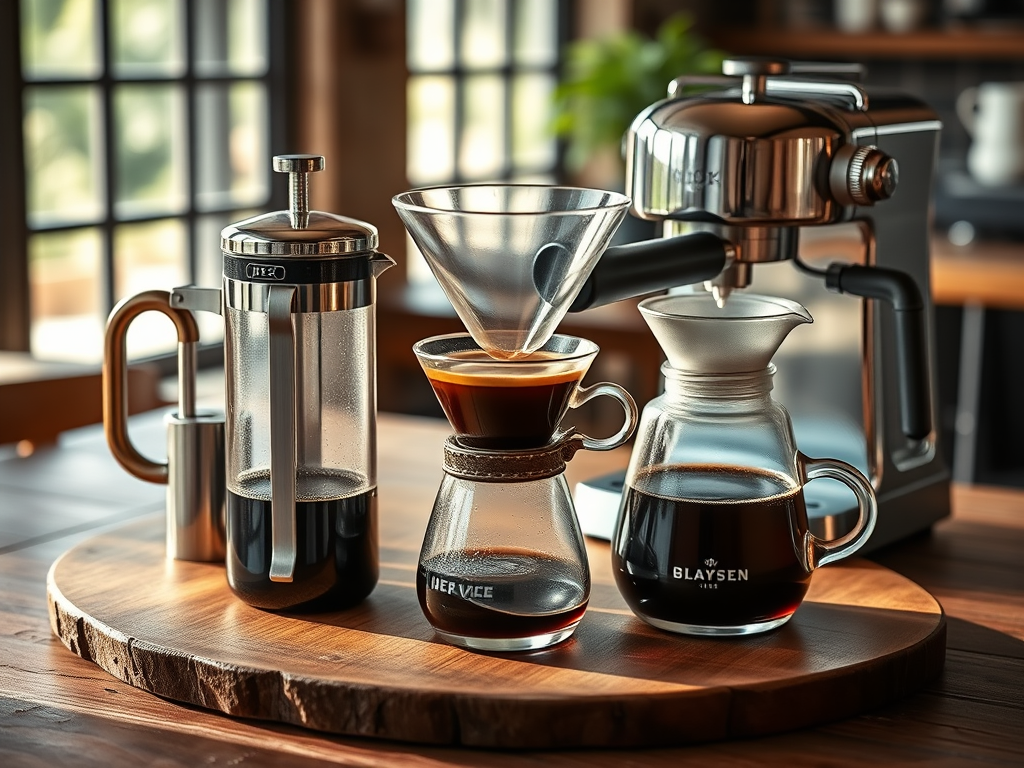
Understanding Grind Size for Optimal Brewing – Complete guide to coffee brewing methods
The size of your coffee grounds is a fundamental variable that dictates the entire extraction process, making it absolutely essential for brewing excellence. When you grasp the science behind grind size, you can customize your approach for optimal flavor and aroma. In simple terms, grind size determines how much surface area is exposed to water, which directly controls how quickly the coffee’s soluble compounds dissolve.
Coarser grinds, which are ideal for methods like French press or cold brew, have less surface area and need longer contact times. Think about four to twelve minutes for a French press, and up to twenty-four hours for cold brew. These methods use a grind similar to coarse sea salt, which produces a full-bodied, low-acidity beverage.
Finer grinds, however, increase the surface area and speed up extraction dramatically. Espresso requires a fine, almost powdery texture, comparable to table salt, enabling espresso extraction of just twenty-five to thirty seconds under 9 bars of pressure. Achieving this demands precise equipment like a burr grinder to ensure uniformity, which is a critical factor for flavor consistency.
An inconsistent grind often leads to over-extraction, which tastes bitter, or under-extraction, which tastes sour. This is a common challenge, even for experienced baristas. A quality burr grinder minimizes this inconsistency, while blade grinders tend to produce uneven particles that compromise the cup.
For pour-over techniques like the V60 or Chemex, a medium grind resembling granulated sugar is perfect. It allows water to flow evenly through the coffee bed over a two-to-four minute brew window. This creates a harmonious extraction that really highlights the coffee’s nuanced flavors.
You can correct extraction issues by adjusting the grind. If your coffee tastes bitter, try a coarser setting. If it’s sour, go for a finer grind. These adjustments directly influence the balance of soluble compounds that define the final flavor profile.
Experts recommend experimenting with grind size alongside your brew ratio and water temperature to perfect extraction. A standard pour-over, for example, might use a one-to-sixteen coffee-to-water ratio with water between ninety-two and ninety-six degrees Celsius, or one hundred ninety-eight to two hundred five degrees Fahrenheit. The Specialty Coffee Association provides detailed guidelines for these parameters to help you achieve consistent results.
Mastering grind size, supported by scientific insight and consistent practice, empowers you to refine your craft. It ensures each cup reflects the true art and science of coffee.
Mastering the Brew Ratio for Perfect Consistency – Complete guide to coffee brewing methods
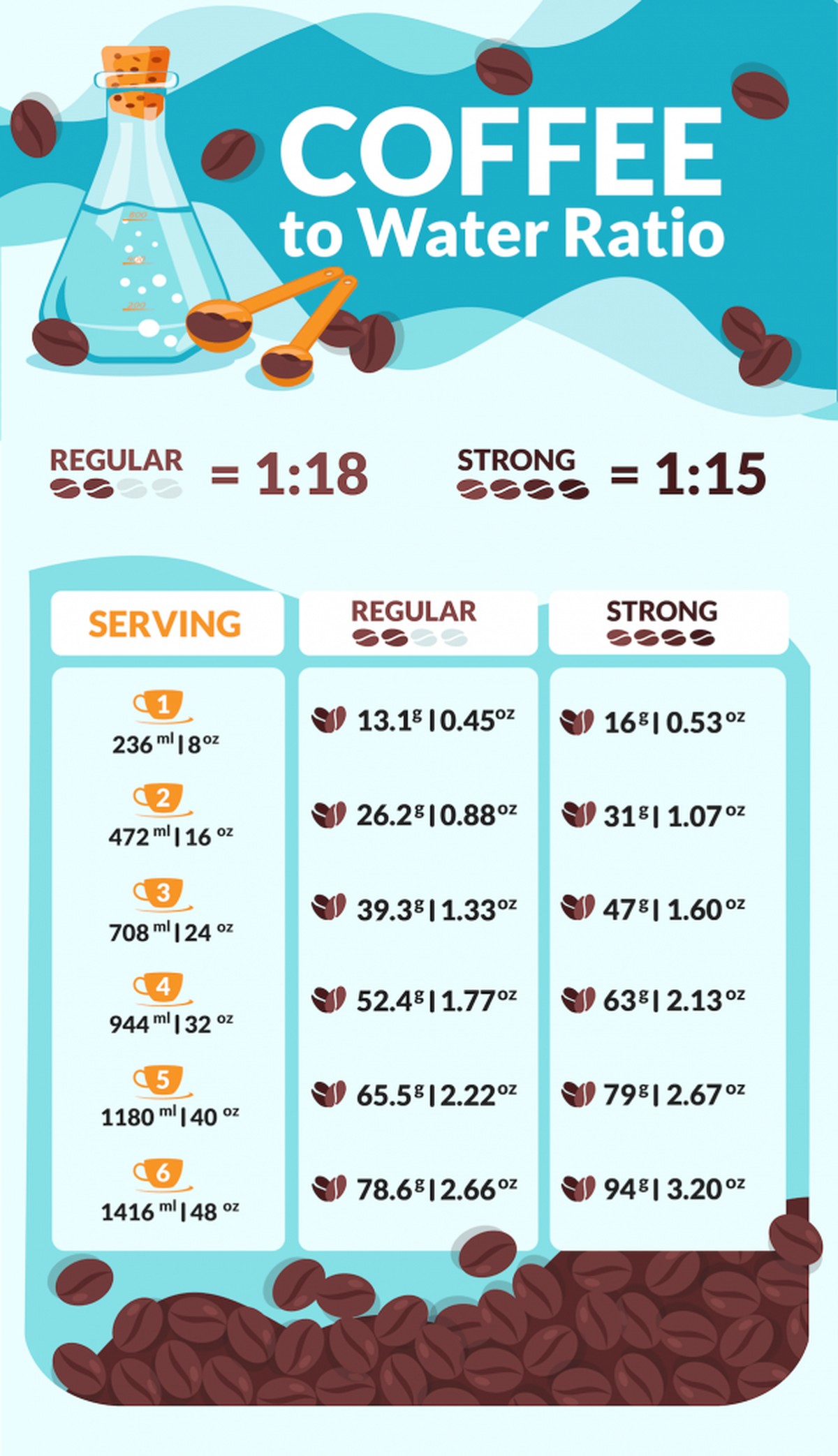
Perfect brewing consistency relies on mastering the brew ratio—that’s the precise relationship between coffee and water. The classic starting point, per SCA guidelines, is a one-to-sixteen ratio, meaning one gram of coffee for every sixteen grams of water.
This foundational ratio works for most brewing methods, delivering a balanced extraction that showcases the coffee’s inherent flavors without overpowering its subtleties. For real accuracy, a 0.1g-resolution digital scale is indispensable. It guarantees repeatable results, batch after batch.
The science of the brew ratio involves solubility and extraction yield. Coffee grounds contain soluble flavor compounds, and the ratio determines how much is pulled out. A stronger ratio, like one-to-fifteen, produces a fuller-bodied cup. This is excellent for darker roasts or anyone who prefers a bolder taste.
A weaker ratio, such as one-to-eighteen, often suits lighter roasts better, as it accentuates their delicate, floral notes.
Professional baristas frequently adjust the ratio to match specific beans and techniques. Pour-over methods like the V60 often benefit from a one-to-fifteen ratio, allowing greater control for a cleaner cup. Immersion methods like the French press may perform better with a one-to-seventeen ratio to prevent over-extraction during the longer steep.
Troubleshooting often involves tweaking the brew ratio. If your coffee is too bitter, slightly increase the water, moving to a higher ratio. If it’s too weak, decrease the water for a lower ratio. Pair these adjustments with corresponding grind size changes to optimize extraction.
For example, a finer grind increases surface area and may require a slightly higher water ratio to avoid over-extraction.
Advanced techniques, like using a refractometer to measure Total Dissolved Solids, offer data-driven insights into brew strength and extraction efficiency. By mastering brew ratios, you can fine-tune your process, transforming your daily coffee from ordinary to exceptional.
The Role of Bloom in Coffee Extraction
In the intricate process of coffee extraction, the bloom phase is a critical step that profoundly influences the final cup. This initial wetting stage, lasting thirty to forty-five seconds, is vital for releasing carbon dioxide trapped within freshly ground coffee. This ensures a more uniform and efficient extraction.
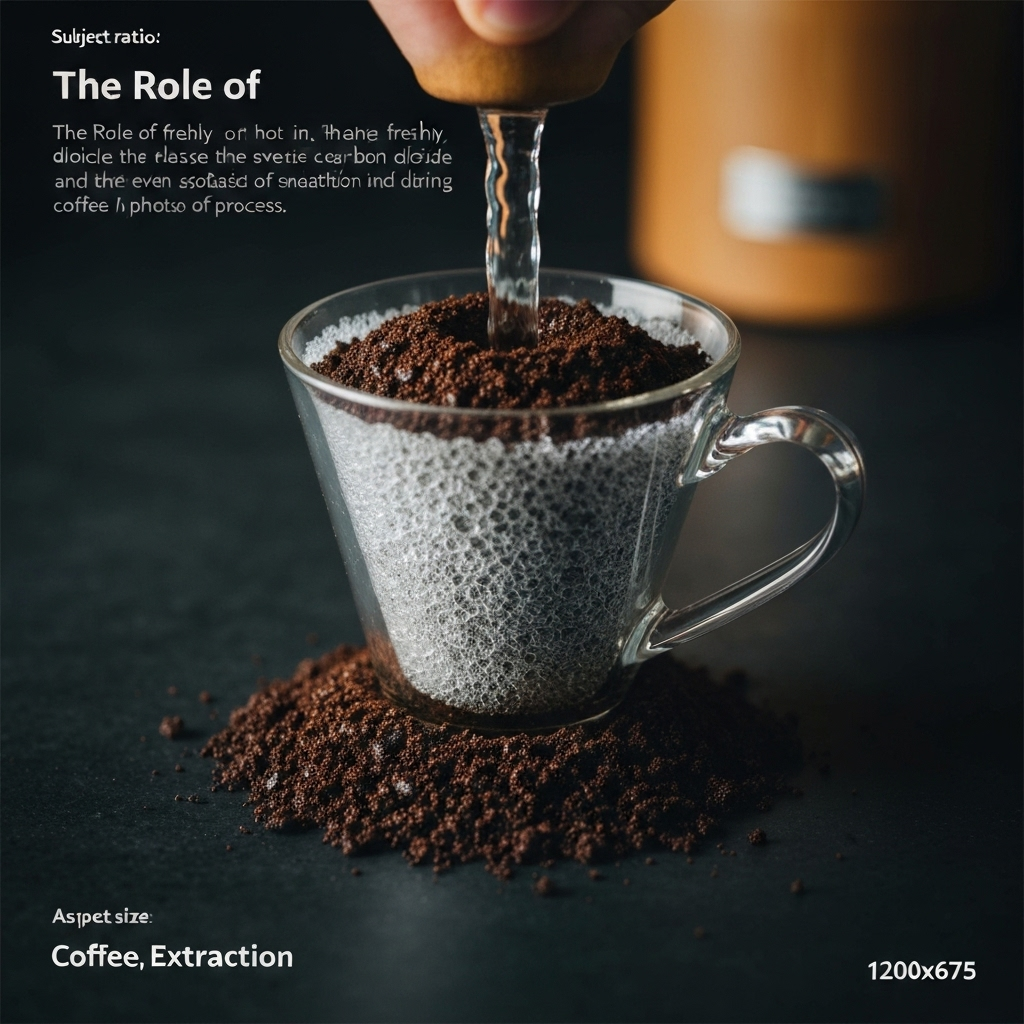
If carbon dioxide is not adequately released, it can cause uneven water flow and channeling. This often results in a sour or under-extracted brew.
To master the bloom, begin with the correct grind size for your method. A medium-coarse grind works well for pour-over devices like the Hario V60 or Chemex. It allows efficient water penetration while supporting a proper bloom. Start with a precise ratio, often one-to-fifteen for manual brews, to ensure consistency.
During the bloom, pour hot water—ideally between one hundred ninety-eight and two hundred five degrees Fahrenheit, or ninety-two to ninety-six Celsius—over the grounds in a circular motion to saturate them evenly. This initial pour should be just enough to wet the grounds, typically twice the weight of the coffee used.
For example, with twenty grams of coffee, pour about forty grams of water. Allow the coffee to off-gas, visibly expanding and bubbling, which indicates the release of carbon dioxide.
Troubleshooting bloom issues involves adjusting grind size or water temperature. A sluggish bloom may indicate stale coffee or too fine a grind, while a rapid bloom could suggest very fresh coffee or too coarse a grind.
A gooseneck kettle is highly recommended for precise control during this phase. It enables even saturation and minimal agitation. Refining your blooming technique sets the stage for a balanced extraction, enhancing flavors and aromas to elevate your entire coffee experience.
Steep Time: Achieving Balanced Flavors
Crafting a balanced flavor profile in coffee hinges on expertly managing steep time. This crucial variable governs the extraction process, directly shaping the interplay of sweetness, acidity, and bitterness in your final cup.
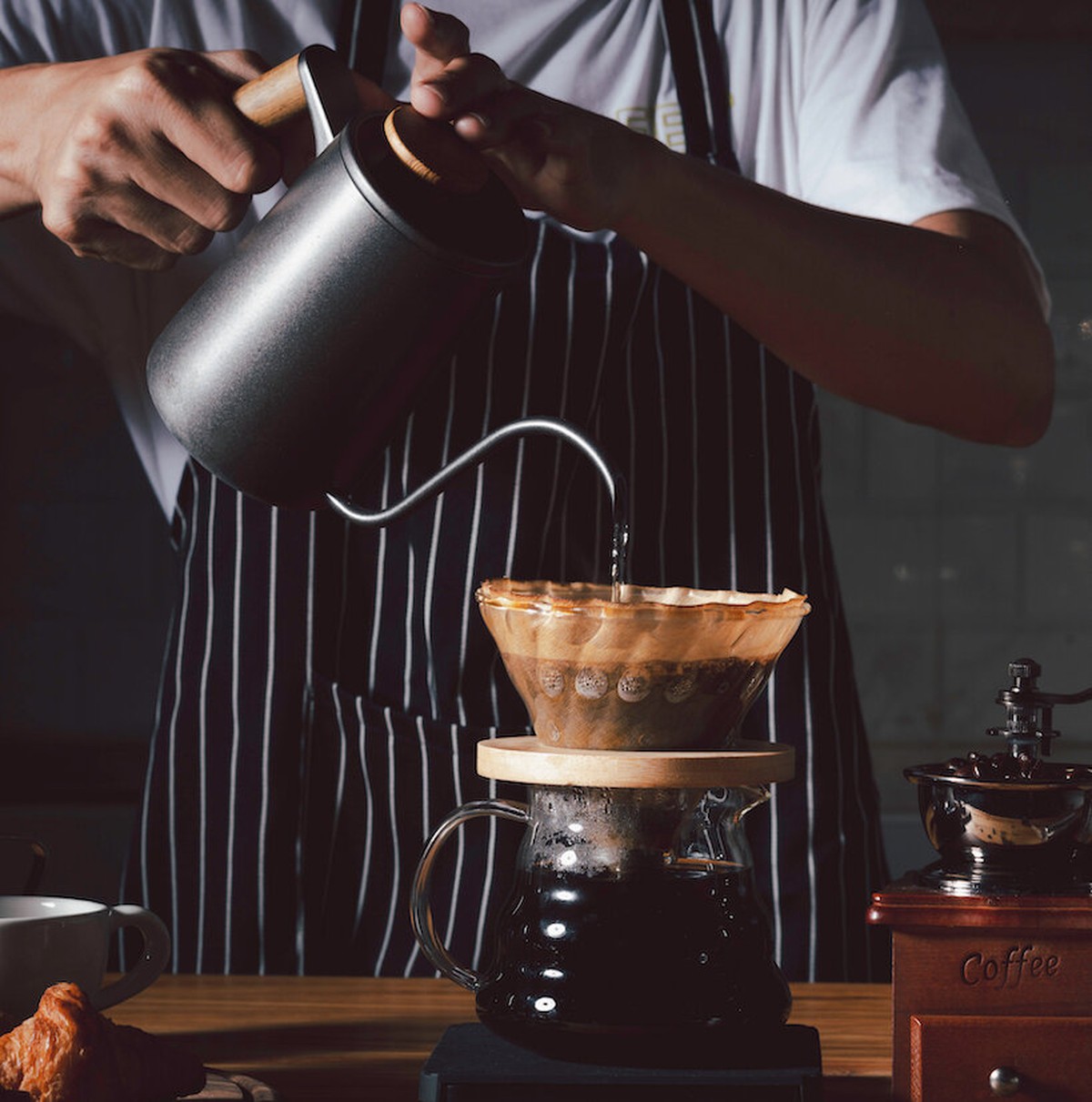
Fundamentally, steep time determines how long water contacts coffee grounds, affecting the dissolution of soluble compounds. Longer steep times allow for greater extraction, which can enhance complexity but also risk over-extraction and harsh bitterness.
For immersion methods like the French press, a standard steep time of four minutes at 200°F (93°C) is common. However, this is not universal. The grind must be coarser for these methods; a finer grind can accelerate extraction, causing bitterness even within this timeframe.
For pour-over techniques like the V60, steep time is managed through flow rate, typically completing in 2:30 to 3:30 minutes. Here, a medium-fine grind balances the shorter contact time, optimizing extraction without venturing into bitter territory.
Understanding the interaction between steep time and grind size is key. Increasing steep time may require a coarser grind to prevent over-extraction. This is where the brew ratio—the precise coffee-to-water relationship—adds another layer of control.
A 1:16 ratio, for instance, supports optimal extraction that respects both steep time and grind size, fostering a harmonious flavor balance.
For advanced troubleshooting, consider tools like variable temperature kettles and timers for precise control. If your coffee is too acidic, a slight increase in steep time can improve extraction. If it’s too bitter, reducing steep time can mitigate over-extraction. Baristas often adjust steep time by just five to ten seconds to fine-tune the final flavor profile.
By carefully calibrating these elements, you can transform steep time from a simple step into a powerful tool for crafting exceptional, balanced coffee.
Exploring Different Brewing Methods
For the dedicated coffee enthusiast, mastering various brewing methods unlocks a spectrum of distinct flavors and aromas. Each technique, from precise espresso to slow cold brew, caters to specific tastes and occasions. Understanding their core principles elevates your home brewing to a professional standard.

Begin with the classic pour-over, a favorite among coffee purists. This method requires a medium-fine grind, comparable to table salt, for uniform extraction. Water temperature should be precisely 200°F (93°C), ideal for balancing solubility and extraction rate.
The essential bloom phase, where a small water dose releases carbon dioxide, should last thirty seconds. This promotes superior saturation and flavor development through gas release and water absorption.
Espresso, celebrated for its concentrated flavor and velvety crema, demands exacting precision. A fine, powdery grind is essential to withstand the high pressure of nine bars. The standard Specialty Coffee Association brew ratio is 1:2, extracting two grams of liquid per gram of coffee in 25-30 seconds. Proper tamping ensures even water distribution through the puck.
Mastering this ratio prevents under- or over-extraction. Investing in a quality burr grinder and reliable espresso machine dramatically improves shot consistency.
The French press offers a robust, full-bodied brew. Use a coarse grind, like breadcrumbs, with water at 195°F (90°C) for a four-minute steep. This method’s extended contact time extracts oils and solubles, creating a rich mouthfeel. Stirring halfway prevents clumping and ensures even extraction.
For a refreshing alternative, cold brew delivers a smooth, low-acidity profile. Use a coarse grind and a 1:8 coffee-to-water ratio, steeping at room temperature for 12-24 hours. This extended, gentle extraction minimizes bitter compounds and produces a concentrate that can be diluted to taste.
Troubleshooting these methods involves adjusting variables like grind size and brew time. If your pour-over tastes sour, try a finer grind or longer steep. A bitter espresso might need a coarser grind or shorter extraction. Embrace these subtle adjustments to unlock your coffee’s full potential.
Troubleshooting Common Brewing Issues
Navigating the world of coffee brewing inevitably involves encountering challenges. Mastering these common issues transforms a frustrating experience into a rewarding one. A primary problem is over-extraction, resulting in a bitter, astringent taste. This is often caused by too fine a grind or excessive brew time.
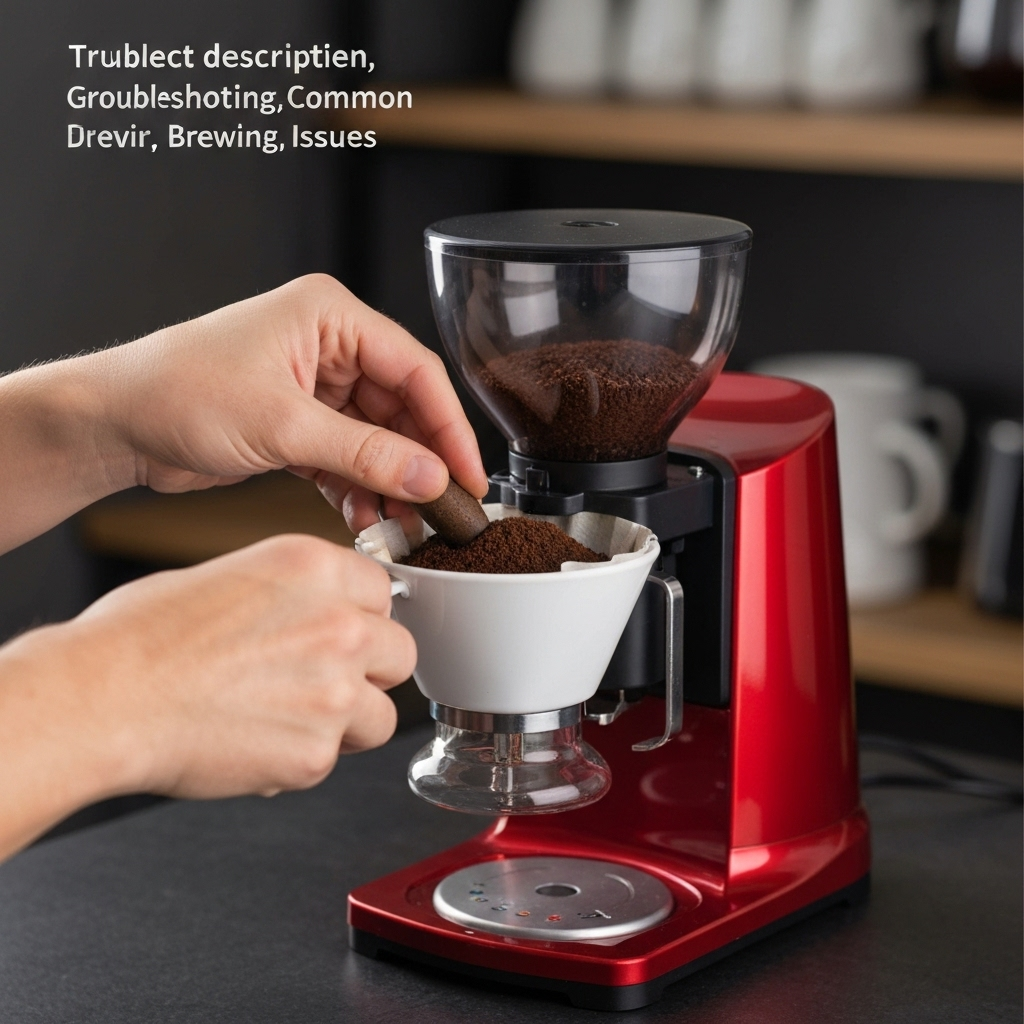
Opt for a coarse grind for a French press or a medium grind for drip coffee. Experiment with a precise 1:15 brew ratio to achieve optimal extraction without bitterness.
Under-extraction, conversely, yields a sour, weak cup. This is typically from too coarse a grind or insufficient steep time. Adjust to a finer grind or extend the steep time—for example, increasing from three to four minutes in a pour-over—to enhance flavor complexity.
Temperature control is also crucial. Water between 195°F and 205°F extracts the full flavor spectrum without scorching the coffee.
Inconsistent brew strength often stems from an incorrect brew ratio. Using a digital scale to measure precisely—aiming for the Specialty Coffee Association standard of 60 grams per liter—ensures consistency. Coffee freshness is paramount; store beans in an airtight container to preserve aromatics and prevent oxidation.
For espresso, channeling can cause uneven extraction. Ensure an even tamp and check for clumps in the coffee puck to promote uniform water flow. Regularly descaling your machine maintains pressure and temperature stability, both key to a perfect shot. A portafilter with a precision basket can also improve water distribution and reduce channeling.
Finally, consider your equipment. A quality burr grinder provides a more consistent grind than a blade grinder, reducing brew variability. With these insights, you can elevate your skills, making each cup a testament to your craft and paving the way to explore more advanced methods.
Advanced Tips for Coffee Enthusiasts
For enthusiasts refining their brewing, a deep understanding of extraction variables is essential. Water temperature is paramount. For most methods, a range of one hundred ninety-five to two hundred five degrees Fahrenheit, or ninety to ninety-six Celsius, is ideal. This ensures optimal extraction of solubles without causing bitterness from over-extraction.
Precise temperature control is non-negotiable. A variable temperature kettle allows for exact adjustments tailored to your specific brew method or personal taste.
Grind size is equally critical, directly dictating extraction rate. Different methods require specific grinds. A French press needs a coarse grind for its four-minute steep, while espresso demands a fine grind for a rapid twenty-five to thirty second extraction at nine bars of pressure.
A high-quality burr grinder is mandatory for achieving uniform particle size. It offers superior control over the final cup’s quality.
Water quality is a subtle yet powerful factor. Since coffee is over ninety-eight percent water, impurities can alter taste profoundly. Using filtered water with a total dissolved solids level between seventy-five and one hundred fifty parts per million promotes a balanced extraction.
Water with appropriate mineral content enhances the extraction of coffee’s volatile aromatics, resulting in a fuller flavor profile.
Incorporating advanced tools like a refractometer provides invaluable data on your coffee’s extraction yield. Measuring the total dissolved solids determines extraction efficiency. This allows you to fine-tune variables such as brew ratio and steep time.
For drip coffee, a total dissolved solids reading of one point one five to one point three five percent typically indicates a well-extracted, balanced cup.
By meticulously controlling these elements with professional-grade tools, coffee enthusiasts can transform home brewing into an art form. You can consistently produce cafe-quality results.
Frequently Asked Questions
What temperature should water be for pour-over coffee?
Water temperature for pour-over coffee should range between ninety-two and ninety-six degrees Celsius, or one hundred ninety-eight to two hundred five degrees Fahrenheit. This temperature range works in conjunction with a medium grind resembling granulated sugar and a one-to-sixteen coffee-to-water ratio to achieve harmonious extraction that highlights the coffee’s nuanced flavors over a two-to-four-minute brew window.
How long does cold brew coffee need to steep?
Cold brew coffee requires a steeping time of up to twenty-four hours. This extended contact time is necessary because cold brew uses a coarse grind similar to coarse sea salt, which has less surface area and extracts soluble compounds more slowly. The prolonged steeping period produces a full-bodied, low-acidity beverage characteristic of the cold brew method.
What causes sour tasting coffee?
Sour tasting coffee results from under-extraction, which occurs when insufficient soluble compounds dissolve from the coffee grounds. This extraction issue can be corrected by adjusting to a finer grind setting, which increases the exposed surface area and accelerates the extraction process. Experts recommend experimenting with grind size alongside brew ratio and water temperature to resolve sourness and perfect extraction.
How long should espresso extraction take?
Espresso extraction should take twenty-five to thirty seconds under nine bars of pressure. This rapid extraction requires a fine, almost powdery grind texture comparable to table salt, which significantly increases surface area and accelerates extraction. Achieving consistent espresso demands precise equipment like a burr grinder to ensure uniformity, a critical factor for maintaining flavor consistency in the final beverage.
What is the ideal brew time for French press coffee?
French press coffee requires a steep time of four to twelve minutes. This extended contact time is necessary because the method uses a coarse grind similar to coarse sea salt, which has reduced surface area and extracts soluble compounds more gradually. The longer steeping period, combined with the coarse grind, produces a full-bodied, low-acidity beverage characteristic of French press brewing.
