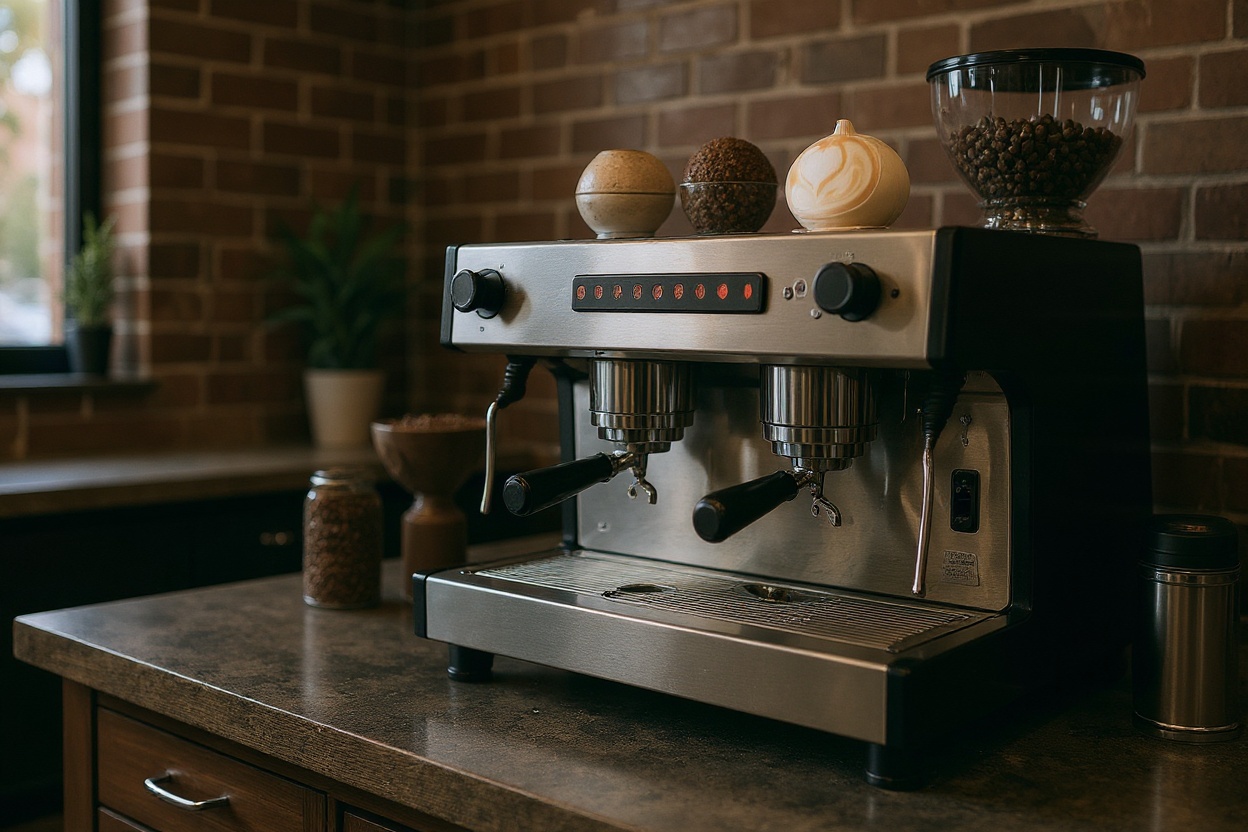
While many enthusiasts focus on grind and dose, true extraction mastery begins with mastering your machine’s core physics: pressure and temperature. These are the non-negotiable fundamentals that transform a recipe from numbers on a page into a consistently perfect shot. Pressure, typically set at 9 bars, is the engine of extraction, forcing water through the compact coffee puck. However, a machine must deliver this pressure stably, not just peak at it. To test, attach a portafilter pressure gauge and pull a blank shot (without coffee). The needle should hold steady at your target pressure; any fluctuation or decline indicates a potential issue with the pump, O-rings, or internal bypass valve requiring professional service.
Temperature stability is equally critical, as it governs the solubility of coffee compounds. The Specialty Coffee Association (SCA) recommends a brew water temperature between 195°F–205°F (90.5°C–96.1°C), but consistency is paramount. A ±1°F swing can drastically alter acidity and sweetness. To assess stability, use a thermocouple-equipped portafilter or Scace device for the most accurate reading. Pull several blank shots back-to-back, monitoring the temperature readout. A well-calibrated machine should not deviate more than ±0.5°F during the shot. If temperatures drift, first ensure your machine is thoroughly heated (30+ minutes for saturated groups) and check the PID settings. For advanced control, consider implementing a cooling flush routine on heat-exchanger machines to shed excess boiler heat before pulling your shot. By validating these parameters, you create a stable foundation, ensuring that any change in your espresso’s flavor is a direct result of your recipe adjustments, not machine inconsistency.
Espresso Machine Pressure Testing and Temperature Stability Overview
Frequently Asked Questions
What is the ideal pressure for espresso extraction?
Espresso extraction typically requires 9 bars of pressure, which forces water through the compact coffee puck. The machine must deliver this pressure stably throughout the extraction process, not merely peak at it momentarily. Testing with a portafilter pressure gauge during a blank shot should show a steady needle at the target pressure without fluctuation or decline.
What temperature range does the Specialty Coffee Association recommend for brewing espresso?
The Specialty Coffee Association recommends brew water temperatures between 195°F and 205°F (90.5°C to 96.1°C) for espresso extraction. Temperature consistency within this range is paramount, as variations of just ±1°F can drastically alter the acidity and sweetness of the final espresso shot by affecting the solubility of coffee compounds.
How can espresso machine pressure be tested accurately?
Pressure testing requires attaching a portafilter pressure gauge to the machine and pulling a blank shot without coffee. The needle should hold steady at the target pressure throughout the extraction. Any fluctuation or decline in pressure indicates potential issues with the pump, O-rings, or internal bypass valve that require professional service.
What is the acceptable temperature deviation during espresso extraction?
A well-calibrated espresso machine should not deviate more than ±0.5°F during the shot extraction process. Temperature stability can be assessed using a thermocouple-equipped portafilter or Scace device by pulling several blank shots back-to-back and monitoring the temperature readout. Greater deviations indicate calibration issues requiring adjustment of PID settings or extended heating time.
How long should an espresso machine warm up before use?
Espresso machines with saturated group heads require thorough heating for at least 30 minutes before use to achieve proper temperature stability. Insufficient warm-up time can cause temperature drift during extraction. Heat-exchanger machines may additionally benefit from implementing a cooling flush routine to shed excess boiler heat before pulling shots for optimal temperature control.

1 thought on “Espresso Machine Pressure Testing and Temperature Stability”